
Quick summary
Foam-filled aluminium offers good rigidity at a moderate weight and suits wide or frequently used openings. PVC can be a straightforward insulating choice in compatible openings. Measurements, guides, headbox and sun exposure all matter.
Rather not touch it? Send a photo on WhatsApp and we'll tell you what's wrong and when we can come today, or call us.
Aluminium: rigidity for frequent use
Profiled aluminium slats commonly combine manageable weight, rigidity and a wide finish choice. They are often considered for wide openings, frequent operation or future motorisation.
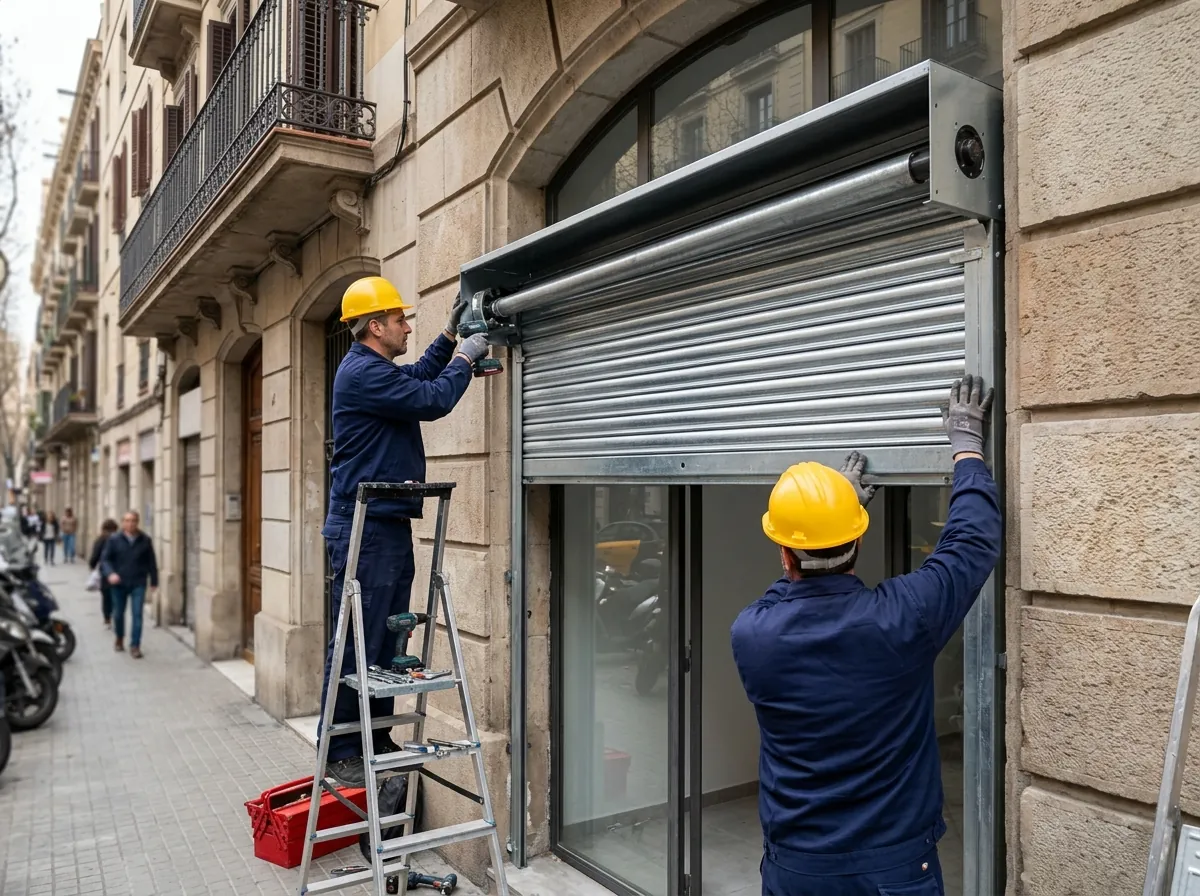
PVC: an option that depends on the opening
PVC can provide useful thermal performance and a simple solution in suitable configurations. Width, sun exposure, guides and headbox compatibility should be checked first.
Insulation and light depend on the full assembly
Slat material does not work alone. Guide fit, headbox entry, clearances and the bottom seal affect draughts, noise and incoming light. New slats do not always solve a poorly sealed headbox.
What to check before motorising
Motor sizing depends on weight, shaft and dimensions. The blind must first run without friction and its guides, stops and headbox must be sound.
When to call
Request an inspection if the current blind feels heavy, rubs, has warped slats or you want to change material while keeping the headbox.
Frequently asked questions
Is aluminium always better than PVC?
No. It is rigid and versatile, but the right choice depends on the opening, use, orientation and budget.
Can I replace only the slats?
Sometimes, if the shaft, guides and headbox are compatible and in good condition.
Which material is lighter?
It depends on the profile and dimensions. The actual assembly weight should be calculated.
Can both materials be motorised?
Yes, provided the blind runs correctly and the motor is sized for its weight and shaft.